
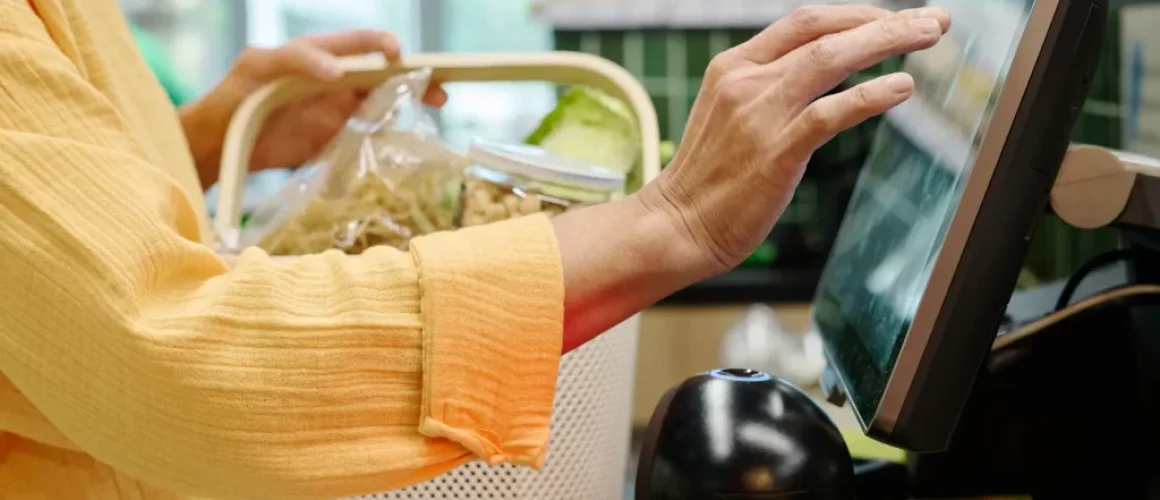
RFID Retail Automation is helping retailers solve two major challenges: maintaining accurate inventory data and creating faster, more convenient shopping experiences.
For modern retailers, managing thousands of products across multiple locations is becoming increasingly difficult. Customers expect faster service, while businesses need better control over inventory, product movement, and store operations.
Traditional barcode systems can support basic product identification, but they still require manual scanning and individual item handling. As product volumes increase, retailers often face problems such as inaccurate inventory records, slow stock counting, and inefficient checkout processes.
At rfidsolution.com, we help businesses use RFID technology to build smarter retail solutions that improve inventory visibility, streamline operations, and create more reliable data for decision-making.
Why Retailers Need Smarter RFID Inventory Solutions
Retail inventory management is more complex than simply knowing how many products are available.
Retailers need to answer important questions:
- Is the inventory record accurate?
- Which products are currently available?
- Where are products located?
- Which items need replenishment?
- How can checkout processes become faster?
When inventory information is inaccurate, retailers may experience:
- Out-of-stock situations;
- Overstock problems;
- Longer inventory counting times;
- Poor customer experiences.
Although barcode systems remain widely used, they have limitations. Employees must scan products one by one, which makes large-scale inventory checks time-consuming and increases the possibility of human error.
RFID Retail Automation provides a different approach by allowing products to be identified automatically through RFID tags and readers.

How RFID Bulk Reading Improves Retail Operations
One of the biggest advantages of RFID technology in retail is bulk reading capability.
Unlike barcode systems that require direct scanning of each product, RFID readers can capture information from multiple RFID-tagged items at the same time.
This capability creates new possibilities for retail applications, especially in situations where many products need to be identified quickly.
A recent industry example demonstrates how RFID bulk reading technology is moving into practical retail environments.
The challenge in basket reading is that multiple products are placed close together, and the RFID system must identify the correct items while reducing interference from surrounding products. A well-designed RFID reading solution needs to control the reading area, optimize tag communication, and ensure reliable identification.
This type of application shows how RFID is moving beyond simple inventory counting and becoming part of a broader retail automation strategy.
For retailers, the value is not only faster checkout. It also includes better inventory accuracy, reduced manual operations, and improved customer experiences.

RFID Retail Automation Beyond Checkout
While RFID basket reading attracts attention because of its impact on checkout efficiency, RFID provides value throughout the entire retail operation.
A complete RFID retail solution can support:
Faster Inventory Counting
Store employees can quickly check inventory levels without manually scanning every product. This helps retailers understand actual stock conditions and reduce inventory differences.
Better Product Visibility
RFID allows businesses to track product movement from receiving areas to storage locations and sales floors.
Retailers can gain better insight into:
- Where products are located;
- When products move;
- How inventory changes over time.
Improved Replenishment Decisions
Accurate inventory data helps retailers identify products that need restocking and avoid losing sales opportunities caused by empty shelves.
By connecting RFID data with inventory management systems, retailers can make decisions based on real product information instead of estimates.

Choosing the Right RFID Solution for Retail Applications
A successful RFID Retail Automation project requires more than selecting RFID tags and readers.
Retail environments are different from each other. A clothing store, supermarket, warehouse, and specialty retailer may require different RFID configurations.
Before implementing an RFID solution, businesses should consider:
| Factor | Why It Matters |
| RFID tag type | Different products and materials require suitable tag designs |
| Reader placement | Determines reading accuracy and coverage |
| Reading range | Must match store layout and application requirements |
| Software integration | Connects RFID data with inventory systems |
| Workflow design | Defines how RFID supports daily operations |
Choosing the right combination of RFID tags, UHF RFID readers, and software integration is essential for achieving reliable results.
At rfidsolution.com, we provide RFID solutions designed around real business requirements. We help customers select suitable RFID tags, readers, and system configurations based on their products, environment, and operational goals.
Building the Future of Retail with RFID
RFID Retail Automation is not only about faster checkout. It is about creating a more accurate, connected, and manageable retail operation.
As retailers continue to improve efficiency and customer experience, RFID provides the foundation for better inventory visibility and smarter decision-making.
At rfidsolution.com, we provide RFID tags, UHF RFID readers, and inventory management solutions for real-world retail applications. Our goal is to help businesses connect physical products with reliable digital information and build more efficient operations.
Whether you are looking to improve inventory accuracy, explore RFID self-checkout possibilities, or develop a complete retail RFID solution, our team can help you evaluate the right approach for your business.

Conclusion
Retail success depends on accurate information and efficient processes.
RFID Retail Automation provides retailers with a practical way to improve inventory control, optimize product tracking, and enhance operational efficiency.
By combining the right RFID hardware, software, and workflow design, businesses can create a smarter retail environment that benefits both employees and customers.
At rfidsolution.com, we are committed to helping companies use RFID technology to solve real operational challenges and build the next generation of retail management systems.


 EN
EN  JA
JA  ZH
ZH