
NFC Authentication & Brand Protection
for Luxury Goods
Luxury brands compete on exclusivity, desirability, and trust.
When authenticity becomes uncertain, brand value starts to erode.
Encrypted NFC authentication gives each product a secure, verifiable identity, protecting authenticity, pricing, and distribution control.
Why Luxury Brands Need Stronger Authentication
Luxury brands face more than counterfeit risks.
The real challenge is maintaining trust, scarcity, and pricing control.

Exclusivity becomes harder to protect
Counterfeit goods, diverted inventory, and unauthorized resale weaken the controlled scarcity that supports luxury value.

Pricing integrity comes under pressure
Grey-market sellers and cross-border diversion disrupt official pricing across regions.
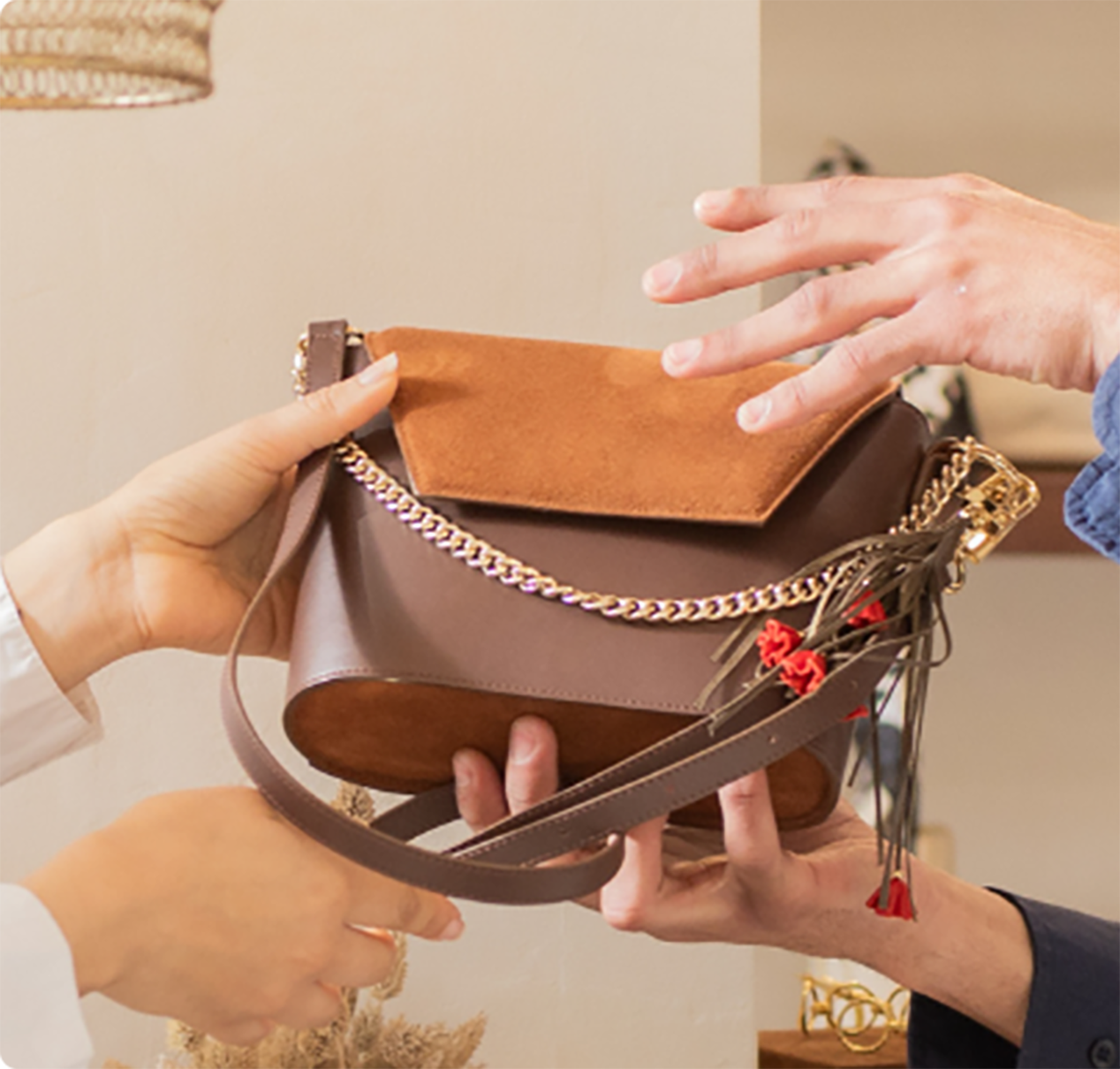
Product visibility fades after distribution
Once products move beyond boutiques or authorized partners, brands often lose visibility into where items appear next.
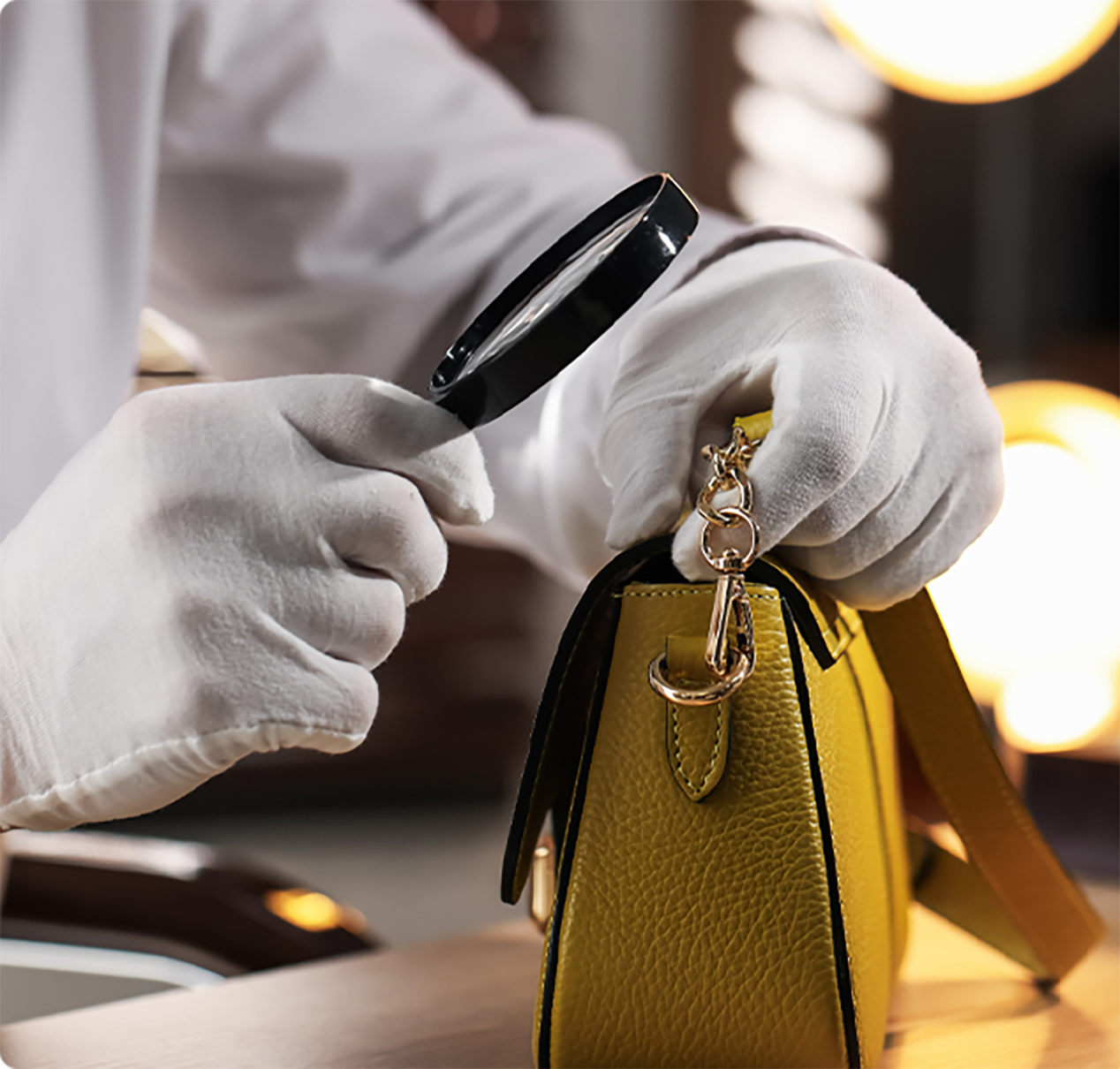
Traditional authentication feels too weak for luxury
Static QR codes, printed serial numbers, and conventional anti-counterfeit labels are easy to copy and rarely match a premium brand experience
Luxury brands need more than a label.
They need a product identity system that protects trust, pricing, and control.
Authentication Designed for Luxury, Not Just Security
authenticity with a simple smartphone tap.
This delivers both:
A premium brand experience
Stronger post-sale control and risk visibility
Key value

Premium verification experience

Strong proof of authenticity

Detection of suspicious activity

Optional tamper evidence

Control after distribution
What Luxury Brands Gain with BrandGuard™

/Identify grey-market
activity earlier

/Maintain official
verification beyond retail

/Upgrade authentication
experience

/Retain control after
distribution
Recommended System for Luxury Brand Protection For luxury goods, we recommend the BrandGuard™ NFC Authentication System.
It is especially suited to brands that need to protect:
With BrandGuard™, each item can be linked to a verifiable identity across
boutiques, retail partners, gifting channels, and resale-risk markets.

+
Brand exclusivity

+
Premium pricing integrity

+
Consumer confidence
in authenticity

+
Distribution control across
regions and channels


Core Technologies Behind
Luxury Authentication
Luxury authentication requires technology that is secure and appropriate for premium presentation.

Secure NFC authentication chips
Encrypted chips such as NTAG424 DNA support dynamic authentication and help brands move beyond copyable labels and static methods.

Premium NFC labels and inlays
Suitable for packaging, branded inserts, authenticity cards, certificates, gift boxes, and product-level identity applications.

Tamper-evident NFC options
Ideal for premium spirits, beauty products, sealed packaging, and limited-edition items.

Cloud authentication platform
Supports real-time verification, authentication records, and scan-based risk analysis.
Typical Luxury Applications BrandGuard™ can be adapted to different luxury product categories and presentation formats.


Evaluate the Experience with a Sample Kit
Evaluate both security performance and brand
experience before rollout.
Includes:
NFC label samples
Authentication pages
Backend access
Deployment guidance


Luxury brands cannot afford
uncertainty in authenticity
If your brand depends on exclusivity and pricing integrity,
BrandGuard™ helps you stay in control.
FAQs
No. For luxury brands, it also supports exclusivity protection, pricing integrity, official verification, and post-sale control across channels and regions.
With encrypted NFC and dynamic authentication logic, copied or reused tags can be detected more effectively than static codes or simple serial-number systems. Yes. A well-designed NFC authentication system can be adapted across different luxury categories such as handbags, accessories, jewelry packaging, gift sets, and certificates. The key is to match the tag format, user journey, and authentication logic to each type rather than forcing one identical setup across all items. Yes. NFC authentication can continue to provide value after the first purchase, especially in gifting, collection, and resale scenarios. Brands can decide whether the same experience remains active or whether it changes according to ownership stage or product status. Before launch, brands usually need to test smartphone readability, tag placement, packaging fit, user interaction flow, and how well the digital experience matches brand positioning. Early testing helps reduce friction before wider deployment.
 EN
EN  JA
JA  ZH
ZH