
NFC Authentication for Wine & Spirits: Built for Product Authenticity and Control Premium wines and spirits carry more than value, they carry heritage, craftsmanship, and reputation. Yet the global market is increasingly exposed to counterfeiting, bottle refilling, and grey-market diversion. Digital authentication provides a new foundation for protecting authenticity at the bottle level.
The Growing Authentication
Challenge in Wine & Spirits
The global wine and spirits market faces a rising wave of authenticity risks that threaten brand reputation and consumer confidence.

For premium brands, authenticity is no longer only about
packaging security, it is about verifiable identity.
High-value spirits and collectible wines are frequent targets for counterfeiters.
Authentic bottles are refilled with inferior liquids and resold as premium products.
Products for one region divert to unauthorized markets, eroding pricing control.
Auction buyers and collectors increasingly demand verifiable proof of authenticity.
Why traditional anti-counterfeiting
methods fall short?
Many wine and spirits brands rely on traditional security features such as holograms, printed codes, or serialized labels. While these measures once provided deterrence, they no longer offer sufficient protection.

Easy to Copy
Static QR codes can be copied at scale.

No Remote Management
Once a traditional label leaves the factory, the brand can no longer track or control the product.

Lose connection
There is no links between the physical bottle and digital identity.
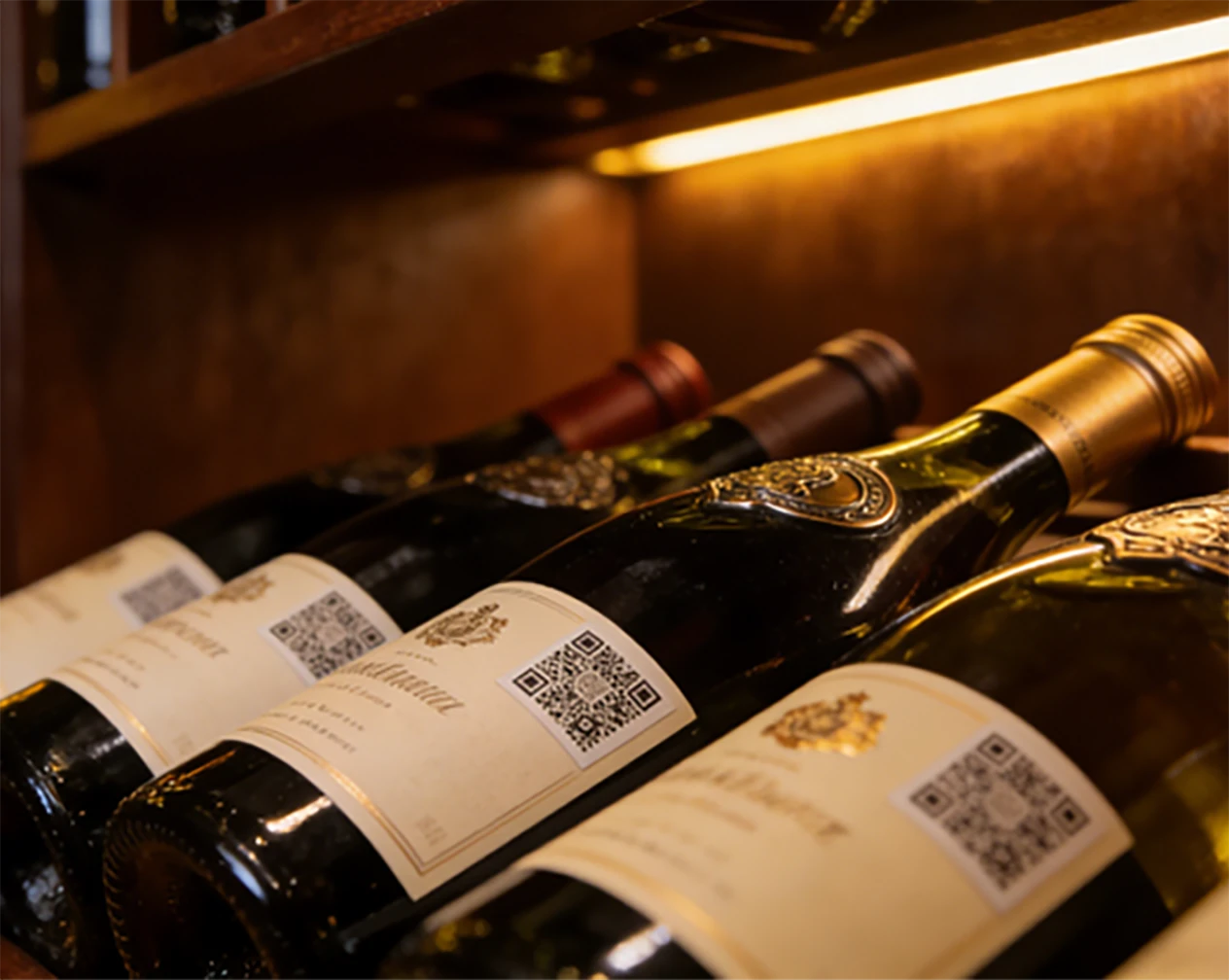
From Passive Protection to Digital Authentication
NFC technology introduces a new model for protecting wine and spirits. Instead of relying solely on visible security features, each bottle receives a secure digital identity.
An embedded NFC label functions as a Digital Birth Certificate for every bottle. With a simple smartphone tap, consumers, distributors, and collectors can instantly verify authenticity.
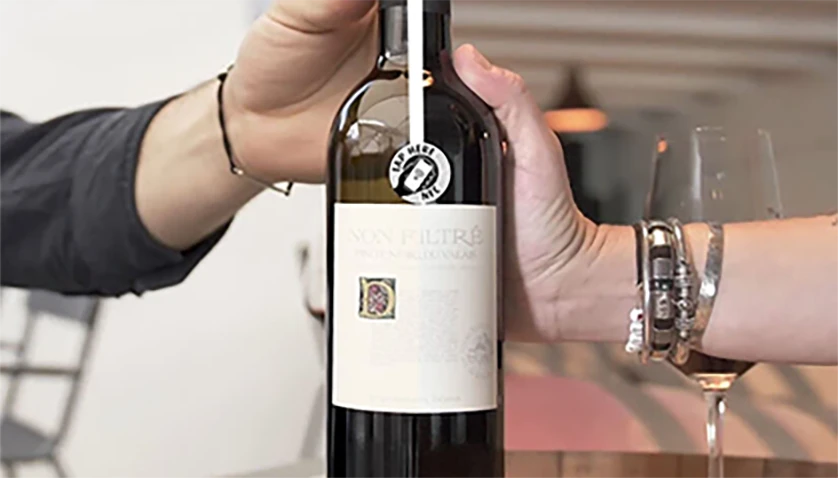

Bottle-Level Digital Identity
Each bottle is assigned a unique encrypted identity.
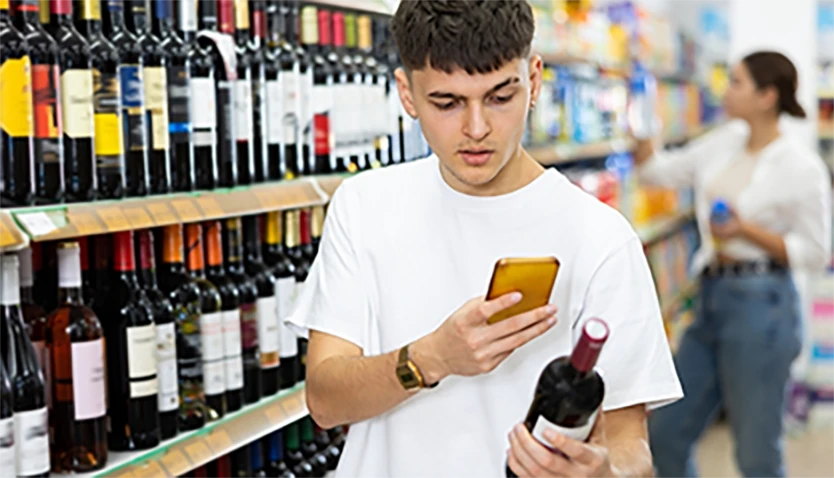

Instant Smartphone Verification
Authentication works directly through standard smartphones, no app required.
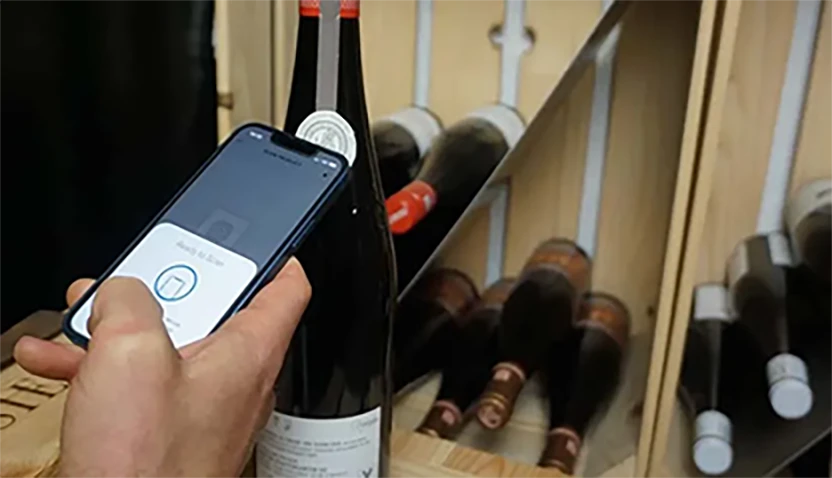

Tamper-Evident Integration
The NFC label can be integrated into bottle seals or closures to detect tampering.
Introducing BrandGuard™:
Digital Authentication Infrastructure for Premium Brands
Rather than acting as a simple anti-counterfeit label, BrandGuard™ functions as a complete brand protection platform.

Dynamic Cryptographic
Authentication
Every tap generates a unique, one-time-use URL that prevents cloning and replay attacks.
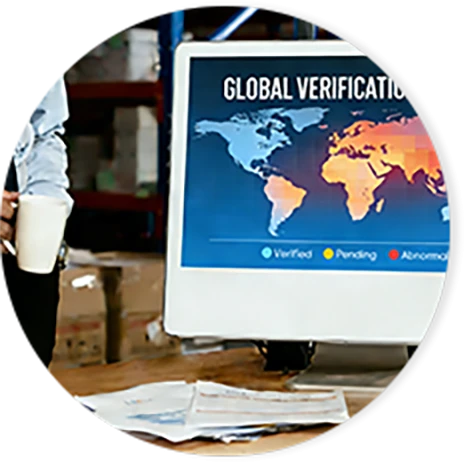
Global Verification
Portal
Brands can monitor authentication events and product activity through a centralized dashboard.
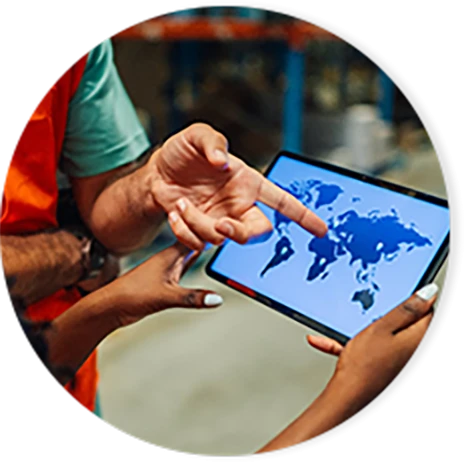
Real-Time Market
Insights
Scan activity provides visibility into geographic patterns, consumer engagement, and potential grey-market activity.
With BrandGuard™, authentication becomes continuous protection, not just a static feature.
Secure Your Brand. Protect Your Legacy.
For premium wine and spirits brands, authenticity is inseparable from brand value.
Digital authentication enables brands to protect their reputation, reinforce consumer trust, and bring
transparency to global markets.
FAQs
the answers you need?
Unlike static QR codes or ordinary labels, NFC tags generate dynamic encrypted links that cannot be copied or replayed. They can also detect if the tag has been opened or tampered with, greatly enhancing anti-counterfeiting security.
No. Standard NFC authentication tags can be read directly by modern smartphones. Users simply tap their phone on the tag to access official verification information—no app required. NFC tags can be integrated into the bottle seal or cap structure. With a fragile antenna design, any twisting of the cap or breaking of the seal permanently alters the NFC circuit. When scanned again, the system immediately indicates that the product has already been opened, preventing genuine bottles from being refilled with counterfeit alcohol. No. NFC tags are ultra-thin and flexible, allowing them to be discreetly embedded under existing neck labels without affecting the bottle’s design. Brands can view real-time scan data and geographic distribution through a backend dashboard. This helps detect gray market activity, track product flow, and gain insights into consumer engagement.
 EN
EN  JA
JA  ZH
ZH