

RFID supply chain monitoring is no longer a futuristic concept; it is the essential backbone for businesses seeking true end-to-end transparency and operational excellence in a competitive global market. We understand that as a procurement professional, your focus is on quality, competitive pricing, and reliable logistics. The technology we provide is designed to meet these exact needs by transforming the way you track, manage, and optimize your inventory from the factory floor to the customer’s hands.
The Strategic Shift: From Compliance to Competitive Advantage
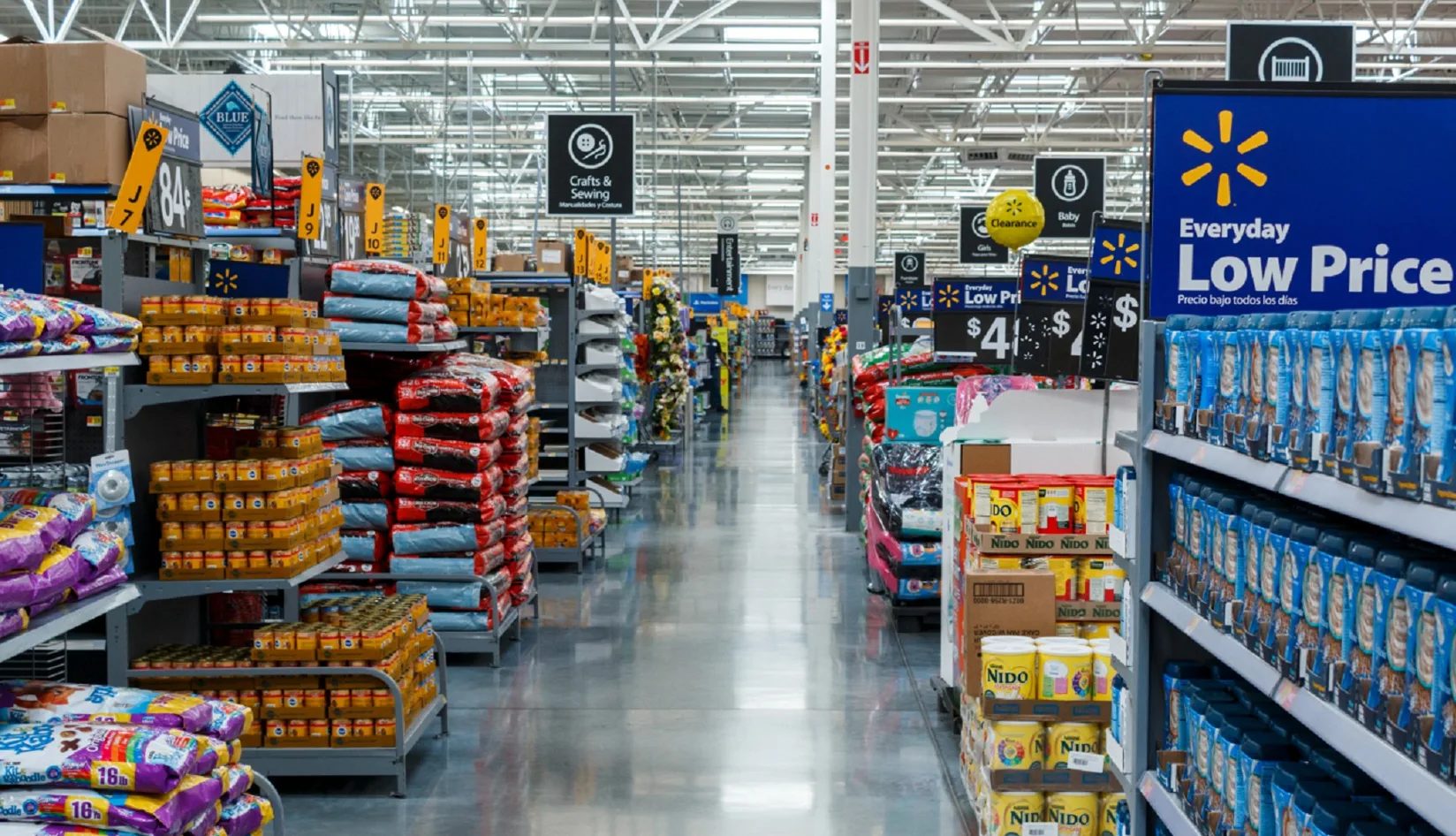
For years, supply chain visibility was a “nice-to-have.” Today, it is a non-negotiable requirement, often driven by the demands of major retailers. The most significant recent example is the expansive RFID mandate set by retail giants like Walmart. This mandate, which requires suppliers to apply item-level RAIN RFID tags to a growing list of product categories, has forced a strategic shift. Suppliers who view this as merely a compliance hurdle miss the bigger picture: the mandate is an invitation to adopt a system that delivers profound internal benefits.
Real-World Impact: The Walmart Mandate as a Case Study
Walmart’s broadened supplier RFID mandate is a clear move to ensure item-level intelligence across a wider range of general merchandise. By requiring item-level tagging, Walmart gains robust, real-time insights that translate directly to their bottom line.
Reference Case: Walmart’s Item-Level Visibility Initiative
Walmart’s initiative, which began with apparel and has expanded to categories like automotive, electronics, and home goods, demonstrates the power of granular tracking. The primary goal is to achieve near-perfect inventory accuracy, which is critical for successful omnichannel fulfillment and preventing stockouts.

Beyond Tracking: The Operational Benefits of Advanced RFID
When you integrate high-quality RFID labels and tags into your operations, you unlock a suite of practical benefits that directly address common procurement pain points, such as quality control and logistics.
Precision and Speed in Inventory Management
Traditional barcode scanning is slow and prone to human error. RFID supply chain monitoring allows for the simultaneous reading of hundreds of items per second without the need for line-of-sight. This speed and accuracy are crucial for:
- Rapid Receiving and Shipping: Dramatically cutting down the time required for warehouse operations.
- Near-Perfect Inventory Counts: Achieving accuracy levels of 98% or higher, which minimizes discrepancies and prevents costly stockouts or overstocking.
- Automated Audits: Enabling continuous, automated inventory checks that ensure compliance and quality control without manual labor.

Enhancing Quality Control and Authentication
For B2B wholesale, quality and authenticity are paramount. Our customizable RFID labels and tags provide a secure, unique digital identity for every product.
Key Quality Control Advantages:
| Feature | Benefit for Procurement |
| Tamper-Proof Tracking | Ensures product integrity from factory to destination. |
| Counterfeit Prevention | Provides verifiable proof of authenticity for high-value goods. |
| Batch and Lot Tracing | Allows for immediate, precise recall management if a quality issue arises. |
| Location | Pinpoint the exact location of any individual item within the warehouse or transportation network. |
Choosing the Right Partner for Your RFID Implementation
Successfully implementing RFID supply chain monitoring requires more than just technology—it also depends on a reliable manufacturing and delivery partner. We specialize in providing high-quality, customizable RFID solutions, from durable RFID labels and hang tags to professional RFID systems, all designed to meet the rigorous demands of global B2B wholesale. We support large-scale procurement and implementation projects in North America and Europe, delivering both the scale and quality they require.

Conclusion
The move toward comprehensive RFID supply chain monitoring is an investment in your company’s future efficiency and profitability. By leveraging item-level data, you gain the transparency needed to eliminate supply chain “black boxes,” ensure product quality, and secure your competitive edge. We invite you to explore our full range of high-quality, customizable RFID products at rfidlabel.com and discover how we can tailor a solution to meet your exact procurement specifications.
FAQs
How does item-level RFID tracking specifically help in preventing shipping delays, a common pain point in cross-border procurement?
Item-level RFID tracking provides real-time visibility into the exact contents and location of every shipment. This allows for immediate verification of outgoing orders against the Advanced Shipping Notice (ASN ) and eliminates manual counting errors that often cause delays at customs or distribution centers. Furthermore, by tracking items at every checkpoint, you can proactively identify and address bottlenecks in the logistics chain before they escalate into major shipping delays.
What is the difference between RAIN RFID and other RFID types, and why is RAIN the standard for supply chain monitoring?
RAIN RFID (an acronym derived from RAdio frequency IdentificatioN) refers to passive Ultra-High Frequency (UHF) RFID technology. Unlike High Frequency (HF) or Low Frequency (LF) RFID, RAIN tags are passive (battery-free), extremely low-cost, and can be read from a distance of several meters. This long read range and low cost make RAIN the ideal standard for high-volume, item-level RFID supply chain monitoring across retail and logistics, enabling the rapid, simultaneous scanning of hundreds of items in a single pass.



 EN
EN  JA
JA  ZH
ZH