
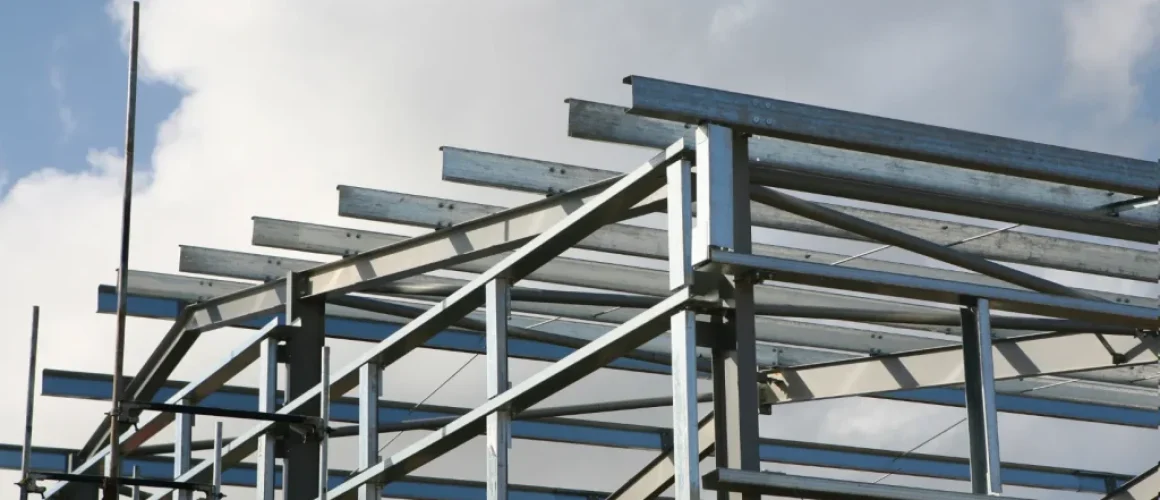
In the world of modern construction, precision is key—especially when dealing with complex structures such as steel frames. Traditional methods often require manual labor for tagging and identifying steel components, which can lead to costly delays and errors. Fortunately, RFID Construction Material Management has emerged as a game-changing technology. By leveraging RFID technology, construction teams can easily classify, track, and position steel frames, dramatically improving installation speed and accuracy.
What is RFID Construction Material Management?
RFID Construction Material Management refers to the integration of RFID technology to track, manage, and organize construction materials throughout their lifecycle. RFID tags are attached to materials, such as steel frames, pipes, and beams, to provide the data on their status and any other relevant details. This allows construction teams to access accurate information instantly, streamlining the entire construction process.
The Role of RFID in Steel Frame Classification
Steel frames are large, heavy components, often requiring precise identification and placement during installation. Traditional methods of labeling steel frames (such as manual tags or markings) can lead to confusion and delays. However, by implementing RFID Steel Frame Management, each steel frame is tagged with a unique RFID label that provides a wealth of data about its type, dimensions, installation location, and connection points.
This system ensures that construction teams can quickly identify the correct frame and verify its specifications, which is crucial for maintaining high-quality standards and meeting project deadlines.

How RFID Technology Optimizes Steel Frame Tagging and Installation
1. Assigning Unique RFID Tags to Steel Frames
RFID Steel Frame Management is centered around assigning a unique RFID tag to each steel component. These tags store detailed information about the steel frame, such as:
Frame ID: A unique identification number for each frame.
Specifications: Including weight, size, and material grade.
Installation Location: Information on where the frame should be installed within the structure.
Manufacturer and Batch Info: To track the origin and quality control.
2. Quickly Identifying the Installation Location of Steel Frames
On large construction sites, steel frames often need to be assembled and connected in multiple locations. With RFID tags, the construction team can quickly scan each frame to determine its correct installation spot. After scanning the RFID tag, the system displays the precise location and connection requirements for the steel frame, reducing the time spent searching for materials and eliminating errors in frame placement.

3. Seamless Integration with Construction Schedules
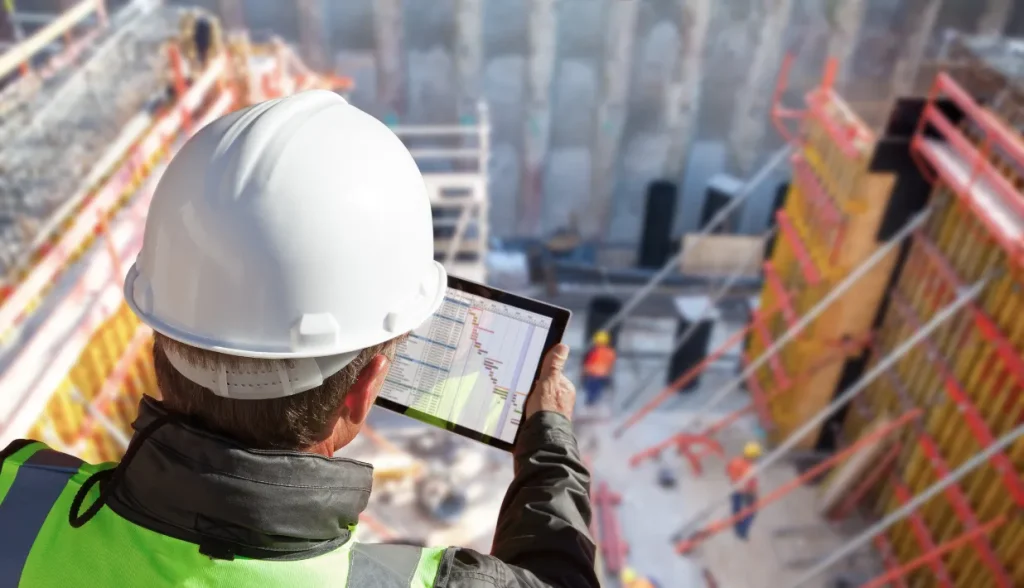
RFID technology not only provides the data but can also be integrated with a construction project’s schedule. By linking RFID data with project management tools, construction managers can see when specific steel frames are installed, helping them track project progress. This integration ensures that the installation of steel frames follows the planned timeline and enables quick adjustments if delays occur.
4. Automated Inventory Management and Waste Reduction
Using RFID Steel Frame Management, construction companies can automate their inventory processes. As steel frames are installed, RFID data updates the inventory system, ensuring that there are no discrepancies between materials on-site and what has been used. This tracking reduces material wastage and ensures that no materials are misplaced or left unused.
Benefits of RFID Steel Frame Management
1. Enhanced Installation Accuracy
With RFID tags providing precise information on each steel frame, workers can confidently install the correct frame in the right place. This dramatically reduces errors and rework, which are common issues in traditional methods of material tracking and tagging.
2. Faster Construction and Reduced Downtime
Construction teams can quickly identify and position steel frames using RFID data, leading to faster installation times and reduced downtime. This helps meet strict project deadlines and increases overall project efficiency.
3. Improved Collaboration Across Teams
RFID Construction Material Management improves coordination between different teams, including material suppliers, logistics personnel, and on-site construction crews. Since all teams can access the same data, they can communicate more effectively, ensuring that the right materials are delivered to the right locations at the right time.
4. Traceability for Quality Control and Compliance
RFID technology provides a complete history of each steel frame, from its manufacturing details to its installation. This traceability is crucial for quality control and regulatory compliance, especially in large-scale projects where materials need to meet stringent standards.

How to Implement RFID Steel Frame Management in Your Construction Project
Step 1: Tagging Steel Frames with RFID Labels
The first step is to attach RFID tags to each steel frame. These tags should be durable enough to withstand the harsh conditions of construction sites, including exposure to extreme temperatures and heavy machinery.
Step 2: Setting Up RFID Readers on-Site
Install RFID readers at strategic locations around the construction site, including areas where steel frames will be installed. These readers will scan the tags and provide the data to project managers.
Step 3: Integrating with Project Management Software
Link the RFID system to your project management software to track progress, monitor schedules, and adjust timelines. This integration ensures that your project stays on track and that all materials are accounted for.
Conclusion: RFID Steel Frame Management Boosts Construction Efficiency
RFID Steel Frame Management is revolutionizing the way construction projects track, manage, and install steel frames. By providing precise, the data on materials, RFID technology enhances accuracy, accelerates construction timelines, and improves overall project efficiency. With real-world examples like the New Karolinska Hospital and One World Trade Center demonstrating the power of RFID, it’s clear that this technology is a key enabler for modern construction projects.
If you’re ready to incorporate RFID Construction Material Management into your next construction project, visit rfidsolution.com to explore our range of customizable RFID tags and solutions designed to meet the unique needs of the construction industry.
FAQs
How does RFID technology help with steel frame classification and installation?
RFID tags provide the data on each steel frame, including its installation location and specifications. This enables construction teams to quickly identify and place each frame, reducing errors and speeding up the installation process.
What are the benefits of integrating RFID with project management software?
Integrating RFID data with project management software allows construction managers to track material usage, update progress, and adjust timelines as needed. This enhances project visibility and helps ensure deadlines are met.




 EN
EN  JA
JA  ZH
ZH