

In today’s enterprise environment, real-time visibility is no longer optional—it is a core requirement for operational efficiency and competitiveness.
Modern Enterprise Resource Planning (ERP) systems serve as the central backbone for business operations, managing inventory, supply chain activities, procurement, and finance. However, despite their importance, most ERP systems still rely on delayed or manually updated data.
This creates a critical challenge: a gap between physical operations and digital records.
Radio Frequency Identification (RFID) technology addresses this gap by enabling real-time, automated data capture across the supply chain. For IT leaders and enterprise architects, upgrading ERP infrastructure with RFID is becoming a strategic priority rather than a technical enhancement.
Why Traditional ERP Systems Lack Real-Time Visibility
ERP systems are designed to be centralized systems of record, not real-time sensing systems. This architectural limitation leads to delayed data synchronization between physical operations and digital systems.
Dependency on Manual Data Capture
Traditional inventory workflows often rely on:
- Barcode scanning
- Manual stock counts
- Batch data entry
While functional, these methods introduce latency and human error. Even small inaccuracies accumulate over time, resulting in discrepancies between actual and system-recorded inventory.

The Operational Impact of Data Latency
Most ERP systems operate on scheduled updates or batch processing cycles. This means operational changes are not reflected instantly.
The consequences include:
- Inventory mismatches
- Stockouts and overstocking
- Inefficient production planning
- Delayed fulfillment decisions
In fast-moving supply chains, even a short data delay can lead to measurable financial losses.
How RFID Enables Real-Time ERP Visibility
RFID transforms data capture from manual input to continuous, automated sensing.
Automated, Non-Line-of-Sight Data Collection
Unlike barcode systems, RFID does not require line-of-sight scanning. RFID readers can detect multiple tags simultaneously, even in motion or obstruction.
This enables:
- Real-time inventory tracking
- Automated receiving and shipping validation
- Continuous asset monitoring
As a result, ERP systems receive a constant stream of accurate operational data.
Edge Processing for Data Efficiency
RFID systems generate large volumes of raw data. To manage this efficiently, edge computing is often deployed.
Edge devices:
- Filter redundant tag reads
- Aggregate meaningful events
- Reduce network load
- Improve response time
This ensures only structured, actionable data is transmitted to the ERP system.
ERP + RFID Architecture: From Static Records to Live Intelligence
A successful RFID-ERP integration requires a layered architecture, typically consisting of RFID hardware, middleware, and ERP integration modules.
RFID Middleware as the Integration Layer
RFID middleware acts as a translation and control layer between physical devices and enterprise systems.
It handles:
- Data filtering and normalization
- Event processing
- Device management
- ERP system communication
Modern middleware solutions integrate with platforms such as SAP, Oracle, and Microsoft Dynamics via APIs, ensuring minimal disruption to existing IT infrastructure.
Turning Data into Operational Intelligence
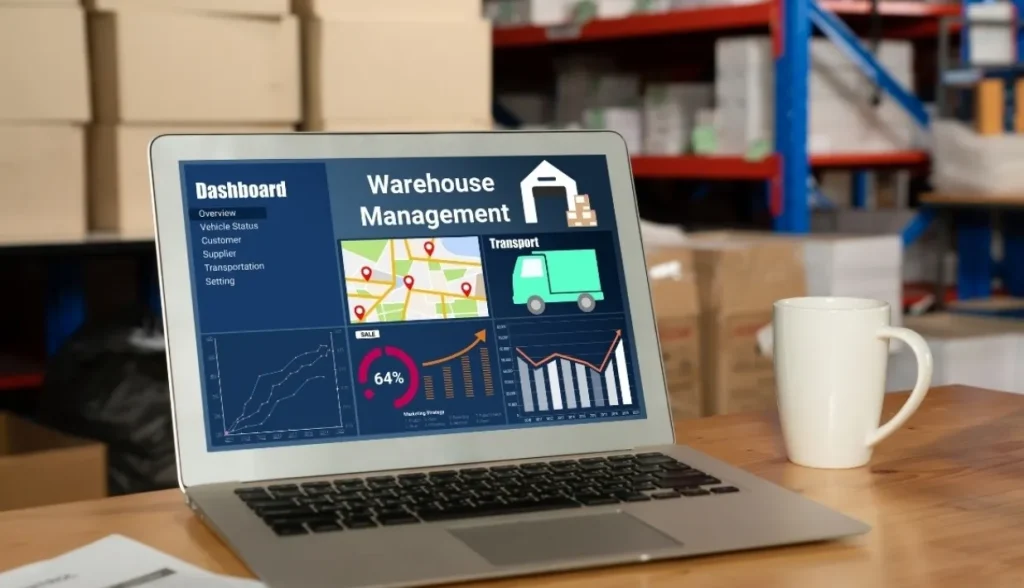
When RFID data is continuously integrated into ERP systems, businesses gain real-time operational intelligence.
This enables:
- Instant inventory visibility
- Real-time location tracking of assets
- Improved production monitoring
- Faster decision-making cycles
ERP evolves from a passive record system into an active operational intelligence platform.
Measurable ROI of RFID Infrastructure Upgrade
From a business perspective, RFID delivers measurable improvements across cost, efficiency, and accuracy.
Reduced Inventory Shrinkage and Labor Dependency
RFID significantly improves inventory accuracy by reducing reliance on manual processes.
Key benefits include:
- Lower inventory shrinkage
- Reduced labor costs for audits and counting
- Improved stock accuracy
This allows operational teams to focus on higher-value tasks.
Higher Order Fulfillment Accuracy
Real-time inventory visibility ensures that order fulfillment processes are based on accurate data.
This leads to:
- Fewer picking and packing errors
- Reduced return rates
- Faster delivery cycles
- Improved customer satisfaction
Improved Asset Lifecycle Management
RFID enables full lifecycle tracking of enterprise assets, including:
- Deployment tracking
- Maintenance history
- Utilization monitoring
- Depreciation accuracy
This improves financial reporting accuracy and asset utilization efficiency.
Industry Applications of RFID-ERP Integration
RFID infrastructure upgrades are delivering measurable value across multiple industries.
Warehousing and Logistics
- Real-time pallet and container tracking
- Automated inbound/outbound verification
- Reduced manual scanning operations
Retail Operations
- Store-level inventory accuracy
- Omnichannel fulfillment enablement
- Improved product availability
Manufacturing
- Work-in-progress (WIP) tracking
- Component traceability
- Production flow optimization

Implementation Considerations for IT Leaders
Successful deployment requires careful planning across hardware, software, and security layers.
Hardware Selection and Environment Fit
Organizations must evaluate:
- Tag type suitability (metal, liquid, high-temperature environments)
- Reader placement and coverage design
- Read accuracy requirements
Data Governance and System Scalability
Without proper data management, RFID systems can overwhelm ERP infrastructure.
Key strategies include:
- Data filtering at the edge
- Event-based processing instead of raw data streaming
- Scalable middleware architecture
Security and Integration Standards
Enterprise RFID systems must ensure:
- Encrypted data transmission
- Secure API-based ERP integration
- Scalable architecture for future expansion
ERP is Evolving from System of Record to System of Intelligence
ERP systems alone are no longer sufficient to support modern real-time operations. Their inherent latency creates operational blind spots that impact efficiency and profitability.
RFID infrastructure upgrades close this gap by enabling continuous, real-time visibility across enterprise operations.
For IT leaders and enterprise decision-makers, this shift represents a fundamental evolution:
From delayed reporting to real-time intelligence
From manual tracking to automated visibility
From reactive decisions to proactive operations
Upgrading ERP infrastructure with RFID is no longer a future consideration—it is a current competitive requirement.
If you are evaluating RFID integration with your ERP system, a structured architecture assessment is the first step. Book a 30-minute ERP–RFID architecture consultation or request an ROI assessment. We’ll review your current workflows, identify visibility gaps, and outline a practical integration roadmap for SAP, Oracle, or Microsoft Dynamics.
FAQs
1. Can RFID integrate with our existing ERP system like SAP, Oracle, or Microsoft Dynamics?
Yes. RFID systems are designed to integrate with major ERP platforms such as SAP, Oracle, and Microsoft Dynamics through middleware and API-based architecture.
RFID middleware acts as a bridge between physical RFID devices and your ERP system, translating raw tag data into structured business events that the ERP can process. This allows organizations to enhance visibility without replacing their existing ERP infrastructure.
2. What level of real-time visibility can RFID actually provide compared to barcode systems?
RFID provides near real-time, event-driven visibility, whereas barcode systems rely on manual scanning and batch updates.
With RFID, data is captured automatically whenever tagged items move through a reader’s field. This enables:
Continuous inventory tracking
Real-time location updates
Instant shipment verification
In contrast, barcode systems only reflect updates when a scan is manually performed, creating unavoidable time delays.
3. Is RFID implementation disruptive to existing warehouse or ERP operations?
When properly designed, RFID implementation is minimally disruptive.
Most deployments are layered on top of existing ERP systems using middleware, meaning core ERP processes remain unchanged. RFID hardware (readers, antennas, tags) is typically deployed in parallel to existing barcode workflows during transition phases.
A phased rollout approach is commonly used to reduce operational risk and ensure system stability.
4. What are the main ROI drivers of RFID in an ERP environment?
The ROI of RFID integration comes from multiple operational improvements rather than a single factor.
Key ROI drivers include:
Reduced inventory shrinkage and discrepancies
Lower labor costs for manual counting and scanning
Improved order accuracy and fulfillment efficiency
Faster decision-making through real-time data
For most enterprises, ROI is achieved through cumulative efficiency gains across the supply chain rather than isolated cost savings.
5. What are the key challenges when deploying RFID at an enterprise scale?
The main challenges are not related to the technology itself, but to system design and integration.
Common challenges include:
Proper tag selection for different materials (metal, liquid, etc.)
Avoiding data overload through effective filtering strategies
Ensuring accurate reader placement and coverage design
Integrating RFID event data into ERP without performance degradation
These challenges are typically addressed through careful architecture planning and the use of RFID middleware and edge computing.



 EN
EN  JA
JA  ZH
ZH