

In the fast-paced world of equipment hire, maintaining a competitive edge requires more than just a diverse catalog; it demands absolute control over every asset. Managing RFID for rental inventory has become the gold standard for companies struggling with item loss, shipping errors, and skyrocketing labor costs. By transitioning from manual tracking to automated identification, rental businesses can eliminate the “black holes” in their supply chain where cables, tools, and high-value accessories often disappear. This technology provides the real-time visibility necessary to optimize turnover and ensure that every piece of equipment is exactly where it needs to be.
1. Why Rental Inventory Is Extremely Difficult to Manage
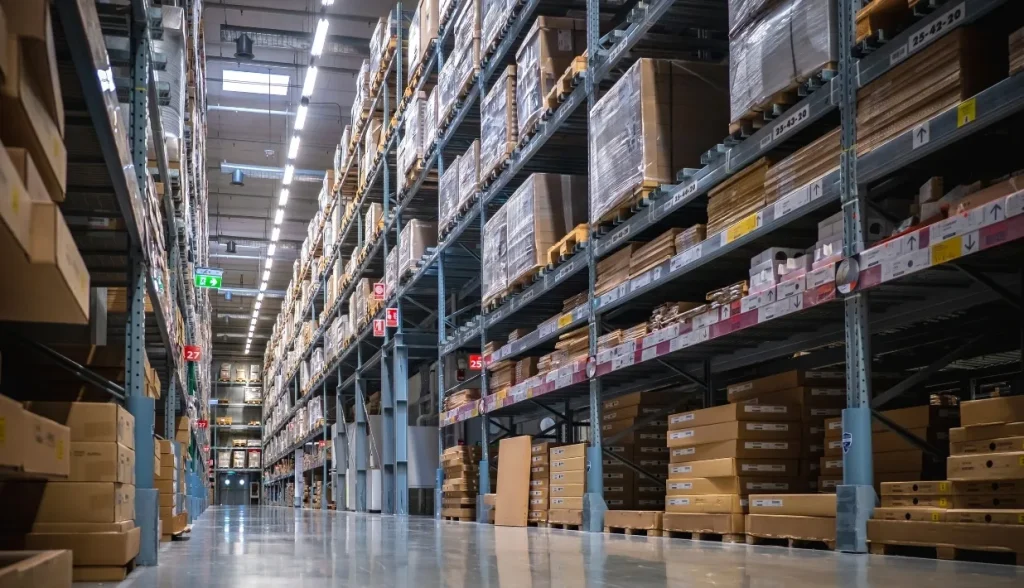
Inventory challenges in rental businesses are significant and multi-faceted:
1.1 High Frequency of Movement
Rental equipment rarely stays still. Items are constantly moving out for jobs and returning — often without proper tracking. This makes accurate snapshot visibility nearly impossible with manual methods.
1.2 Manual Processes Are Slow and Error-Prone
Most rental operations still rely on paper logs, spreadsheets, or barcode scans that require line-of-sight. Technicians must scan each asset one by one, making check-in/check-out slow and leaving ample room for mistakes.
1.3 Diverse Asset Types
Rental fleets often consist of high-value tools, AV equipment with numerous accessories, bulky furniture, and more. Tracking these across different locations complicates inventory accuracy and accountability.
1.4 Loss and Misplacement Hurt Profitability
Unreturned or misplaced items aren’t just a pain to track down — they directly impact profitability and customer satisfaction. RFID provides a powerful alternative that helps rental managers never lose sight of where their assets are.
2. What Is RFID for Rental Inventory and How It Works
At its core, RFID for rental inventory utilizes radio waves to identify and track assets without requiring a direct line of sight. RFID allows for bulk identification of hundreds of items simultaneously, even if they are buried deep inside a flight case or stacked on a high shelf.
The system consists of three primary components that work in harmony:
- RFID Tags: These are small transponders attached to each rental asset.
- Readers: These devices emit radio signals to “wake up” the tags and read their data.
- Software: A centralized platform, which processes the tag data, updates the inventory database in real time, and provides actionable insights through dashboards.
3. Where RFID Creates the Biggest Impact in Rental Operations
3.1 Check-Out Process
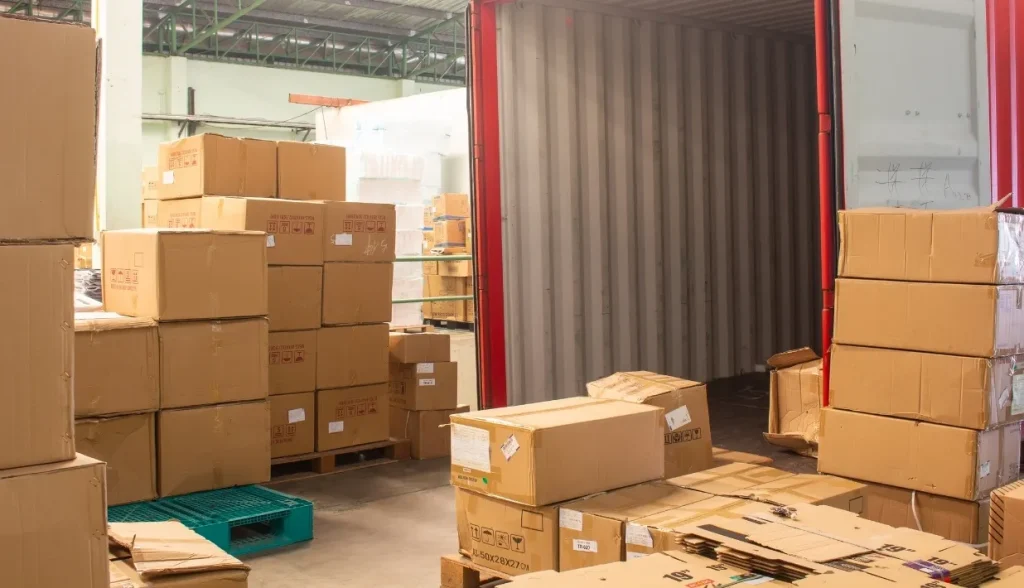
In a traditional setup, a worker might spend thirty minutes manually checking off serial numbers for a large order. With RFID, staff can simply push an entire pallet or crate of equipment through a fixed reader gate. The system instantly compares the scanned items against the digital pick list.
If a single specialized cable is missing or if an incorrect model of a projector was loaded, an alert sounds immediately. This prevents the costly “hot shots”—emergency deliveries to a job site—that eat into rental margins and frustrate clients.
3.2 Check-In Process
Returns are traditionally the most labor-intensive and error-prone part of rental management. RFID for rental inventory transforms this by allowing for “instant returns.” As a truck is unloaded, a handheld reader can capture every item in a bin without even opening the lid.
This rapid verification ensures that missing items are identified while the delivery driver or the customer is still present. This makes it much easier to initiate “lost-not-returned” billing or to ask the driver to check the truck one last time for that missing piece of gear.
3.3 Warehouse Inventory Audits
Manual stocktaking can take hours or days. RFID systems can inventory an entire warehouse or yard in minutes, showing exactly what’s available, out, or misplaced.
3.4 Tracking Assets Across Multiple Locations
With mobile RFID readers, field teams can scan assets at remote job sites, ensuring real-time visibility across multiple locations — invaluable for rental managers.
4. RFID for Different Types of Rental Businesses
4.1 Event & Exhibition Equipment Rental
From lighting rigs and truss to cables and LED panels, event assets are tagged and tracked for fast fulfillment and return, minimizing loss during hectic load-ins and load-outs.
4.2 Construction Equipment & Tool Rental
Construction environments are notoriously harsh on technology. However, using ruggedized on-metal RFID tags allows companies to track jackhammers, drills, and scaffolding even when they are covered in mud, concrete dust, or grease. This significantly reduces the 15-20% annual loss rate that is common in the construction rental sector, where small tools often “walk off” the site or are left behind in the dirt.
4.3 Camera & Media Equipment Rental
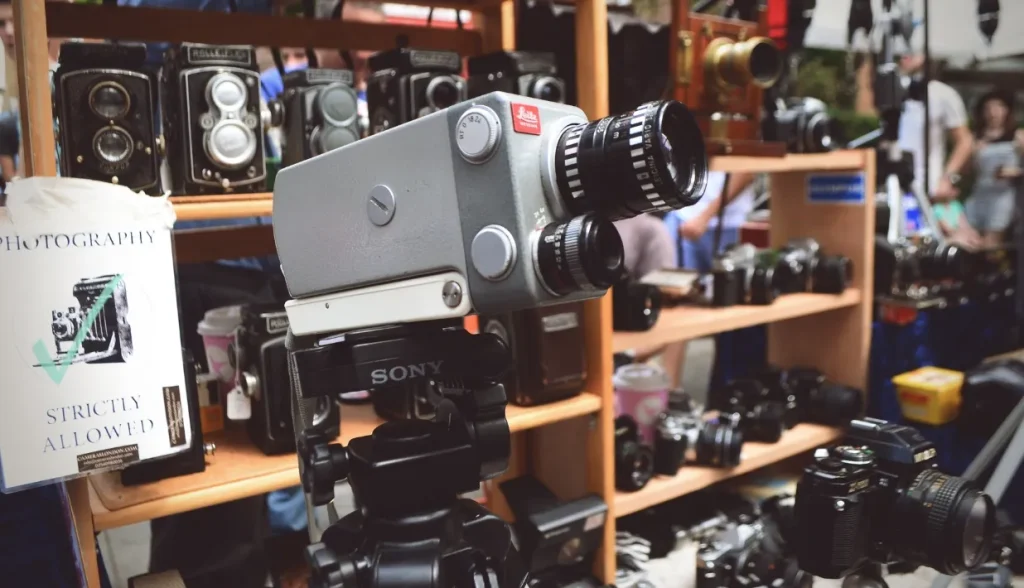
Media gear is exceptionally expensive and consists of hundreds of tiny, easily lost components. A single missing lens cap or a specialized mounting screw can render a $50,000 camera package unusable for the next client. RFID allows rental houses to verify that every lens, battery, and memory card is present in the kit within seconds of it returning to the warehouse, protecting the high margins of specialized media rentals.
5. Step-by-Step RFID Workflow for Rental Inventory Management
Implementing RFID for rental inventory is a structured process designed to ensure data integrity from day one:
- Tag Every Asset – Each item receives a unique RFID tag.
- Register in the System – Tags are linked to product profiles in your inventory system.
- Check-Out Scanning – Bulk scan assets during outbound pickup.
- Check-In Verification – Immediately confirm returns and identify missing items.
- Cycle Counting & Audits – Conduct rapid inventory surveys with handheld RFID readers.
6. How to Choose the Right RFID Tags for Rental Equipment

The success of an RFID project depends heavily on selecting the right hardware for the job. For rental equipment, you must consider several critical factors:
- On-Metal Tags: Tools and machinery often have metal surfaces that can interfere with RFID. On-metal tags maintain signal integrity.
- Rugged & Reusable Tags: Rental assets undergo heavy use. Durable tags withstand handling and harsh conditions.
- Weatherproof & Impact-Resistant Tags: Outdoor equipment needs tags that resist water, dust, and impacts over time.
7. Fixed Readers vs. Handheld Readers in Rental Warehouses
A balanced RFID setup includes:
Handheld Readers
Mobile scanning devices that allow staff to walk aisles, yard racks, or job sites and quickly scan tags at range.
Fixed Readers
Installed at key choke points like warehouse doors or staging areas, they capture tags as items pass by — ideal for automated check-in/out tracking.
Both types help reduce manual effort and provide continuous capture of inventory movement.
8. ROI of RFID for Rental Inventory
The Return on Investment for RFID for rental inventory is typically realized within the first 12 to 18 months, driven by several measurable financial factors:

- Labor Time Saved: RFID dramatically cuts the hours spent on manual scanning — freeing staff to focus on higher-value tasks.
- Loss Prevention and Recovery: Identifying missing items the moment they fail to return from a job allows companies to successfully bill for “lost-not-returned” charges. In many cases, the recovery of just a few high-value assets can pay for the entire RFID system.
- Improved Asset Utilization: With 99% visibility, managers can see which items are constantly on the move and which are gathering dust.
- Faster Turnaround Time: Equipment can be checked in, verified, and moved back to the “Available” status much faster. This increases the number of times an item can be rented out in a single month, directly boosting the top-line revenue.
9. How to Start an RFID Project for Your Rental Inventory
The prospect of tagging thousands of items can be daunting. The best approach is to start with a small, focused pilot program:

- Run a Small Pilot – Tag a subset of assets and test reader placements.
- Test Workflows – Validate how RFID fits check-in/out processes.
- Measure Benefits – Track time savings and accuracy improvements.
- Scale Gradually – Expand to more items and sites as confidence grows.
Starting small and iterating ensures your RFID deployment drives real value.
10. Conclusion
From speed and accuracy to loss prevention and analytics, RFID technology is quickly becoming the industry standard for modern rental businesses. The technology enables real-time visibility and control that manual systems simply can’t match.
RFIDSolution delivers reliable RFID solutions that help businesses operate with greater accuracy and efficiency. If you’re looking to implement an RFID system for measurable success, visit our website or feel free to contact us.




 EN
EN  JA
JA  ZH
ZH