
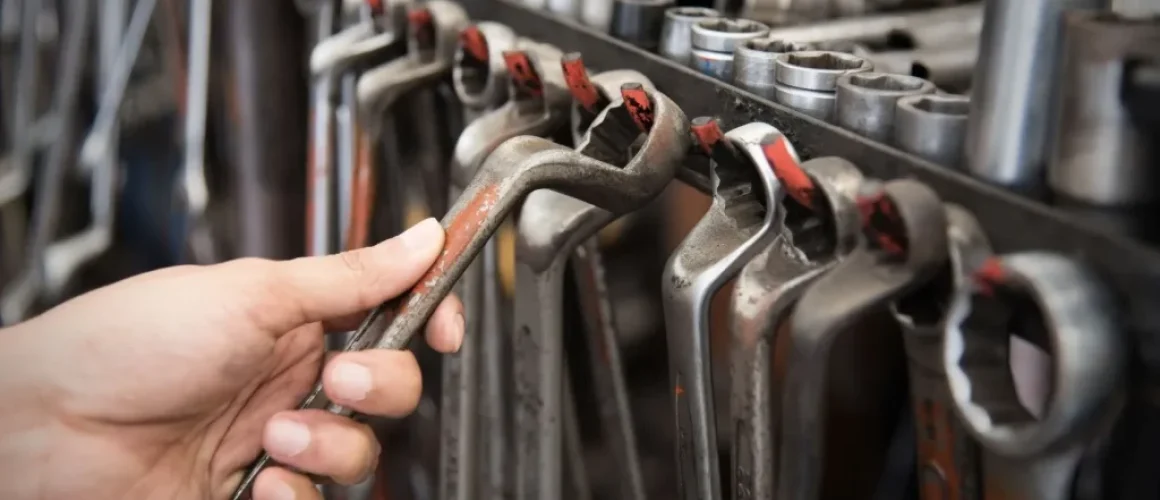
Hand tools are easy to move, share, and misplace. When multiple employees use the same tools across workshops, maintenance areas, storage rooms, or field locations, it can become difficult to know where a tool is, who last used it, or whether it has been returned. Hand tool tracking provides a structured way to improve tool visibility, reduce losses, and establish clearer accountability. With RFID technology, organizations can automate tool identification and connect physical tools with digital asset records.
Why Hand Tool Tracking Matters
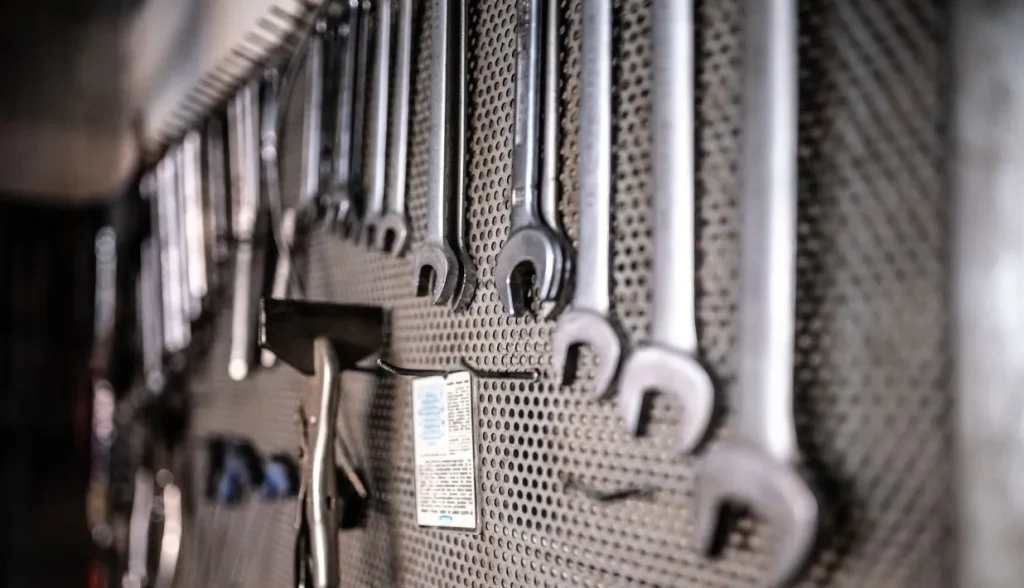
Hand tools may be relatively small, but losing them can create recurring operational problems. A missing wrench, torque tool, cutter, inspection tool, or maintenance kit may need to be replaced, while employees also spend time searching for it.
Common problems include:
- Tools are returned to the wrong storage location.
- Employees take shared tools without recording the checkout.
- Managers cannot quickly identify who last used a missing tool.
- Tool inventories become outdated between manual checks.
- High-value or specialized tools may be unavailable when needed.
These problems become more difficult to manage as the number of shared tools increases.
What Should a Hand Tool Tracking System Track?
Effective tool management involves more than knowing whether a tool exists. A useful tracking system should connect the physical tool with information that helps teams manage its daily use.
Depending on the application, a hand tool tracking system can record:
| Information | Purpose |
| Tool ID | Provides a unique identity for each tool |
| Tool type | Identifies the tool category |
| Current location | Shows where the tool was last detected or stored |
| Assigned user | Establishes responsibility |
| Checkout status | Shows whether the tool is available or in use |
| Return status | Identifies overdue or unreturned tools |
| Maintenance status | Helps manage tools requiring service |
| Calibration status | Supports control of tools requiring calibration |
| Usage history | Provides a record of tool movements and transactions |
This information gives teams more than an inventory list. It creates a record of how tools move through daily operations.
How RFID Hand Tool Tracking Works

RFID can automate the identification step in a hand tool tracking workflow. Each tool receives an RFID tag with a unique identifier, which is linked to its digital asset record. A typical workflow includes four steps:
1. Register Each Tool
First, create an asset record for each tool. The record can include the tool name, ID, category, department, assigned user, location, and other relevant information. The RFID tag ID is then associated with that record.
2. Attach the Appropriate RFID Tag
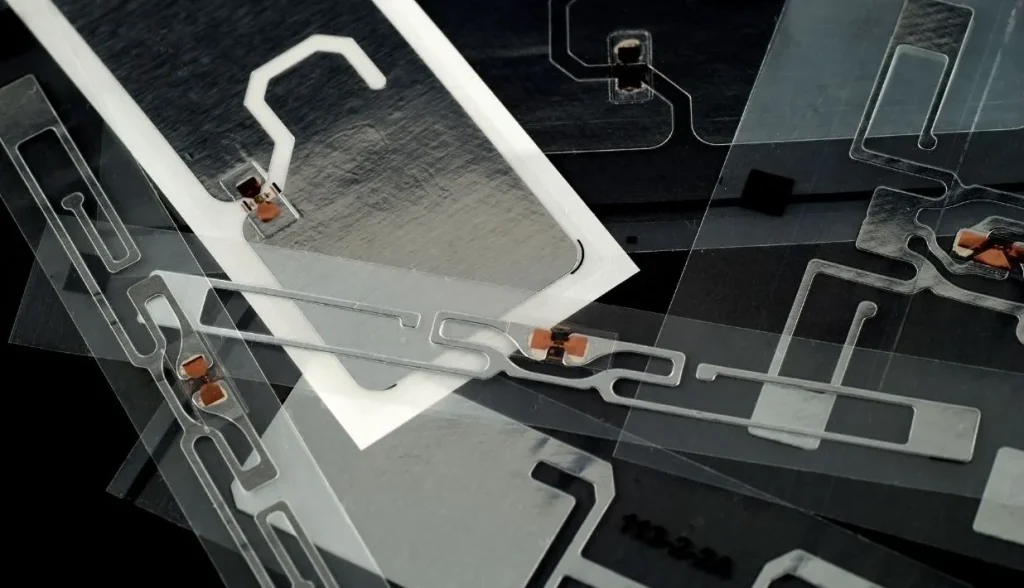
The RFID tag is attached to the tool in a suitable location. Tag selection and placement should take into account the tool’s material, size, surface, operating environment, and required read performance. For metal tools, specialized on-metal RFID tags may be required to maintain reliable RFID performance.
3. Identify Tools During Daily Operations
RFID readers can be used to identify tagged tools during inventory checks, checkout and return processes, or movement between designated areas.
Unlike traditional manual logging, RFID allows multiple tagged items to be identified without requiring employees to manually enter every tool into a record.
4. Connect RFID Data to Asset Management
RFID identification becomes more useful when it is connected to asset management software. The software can associate RFID reads with asset records, users, locations, and workflows. This creates a continuous connection between the physical tool and its digital record.
How RFID Helps Prevent Tool Loss
RFID does not physically prevent a tool from being lost. Instead, it improves the visibility and accountability needed to identify missing tools earlier and investigate where they were last recorded.

Faster Inventory Checks
Manual tool inventories require employees to locate and record tools individually. RFID can accelerate the identification process, making it easier to conduct more frequent inventory checks. More frequent checks can help teams identify missing tools before the problem becomes difficult to trace.
Better Visibility of Tool Locations
Tools can move between storage rooms, workshops, vehicles, departments, and operational areas. With RFID reading points and asset records, teams can see where a tool was last detected rather than relying entirely on memory or manual logs.
Easier Identification of Missing Tools
When a tool cannot be found, staff can check its latest recorded status and location in the asset management system. Instead of asking everyone where the tool might be, managers can start the search with the tool’s most recent available record.
RFID Hand Tool Tracking vs. Manual Records
Many organizations start with spreadsheets, paper forms, or manually updated tool logs. These methods may be sufficient for a small number of tools, but they become harder to maintain as tool inventories and user groups grow.
| Feature | Manual Records | RFID-Based Tracking |
| Tool identification | Manual entry or visual checking | RFID identification |
| Inventory checks | Time-consuming | Faster identification |
| Checkout records | Manually recorded | Can be connected to digital workflows |
| Location visibility | Depends on user updates | Based on RFID reading events |
| Missing tool investigation | Manual search | Check the latest available record |
| Usage history | Often incomplete | Can be associated with asset events |
| Scalability | More labor as inventory grows | Better suited to larger asset inventories |
The goal is not necessarily to replace every existing process. RFID can instead automate repetitive identification and connect it with the organization’s existing asset management workflow.
Building a Practical Hand Tool Tracking Workflow
Implementing RFID does not require tagging every tool on the first day. A controlled pilot can help organizations validate the technology and workflow before expanding the system.
Step 1: Identify High-Risk Tools
Start with tools that are frequently shared, expensive to replace, difficult to locate, or critical to daily operations.
Step 2: Define the Tracking Events
Determine which events matter most to your operation, such as:
- Tool registration
- Checkout
- Return
- Inventory verification
- Maintenance
Step 3: Select RFID Tags and Readers
Choose tags according to the tool’s material and environment. Metal tools may require on-metal RFID tags, while non-metal tools may use other tag designs.
Reader selection should also reflect how tools will be tracked. Handheld readers can support inventory checks and finding tools, while fixed reading points can be used at selected locations or movement points.
Step 4: Connect the Hardware and Software
RFID readers collect identification data, while asset management software turns that data into usable records and workflows.
This connection is important because the value of RFID is not simply in detecting a tag. The system needs to associate the detection event with the correct tool, user, location, and status.
Where TrakOn™ Fits into Hand Tool Tracking
For organizations looking to move from manual tool records to a more structured RFID asset management workflow, TrakOn™ Asset Tracking System can connect RFID identification with digital asset management.
TrakOn™ brings together RFID tags, asset identities, scan records, movement information, user assignments, dashboard visibility, and alerts within an asset tracking workflow. This allows teams to manage tools based on their current status and latest recorded activity rather than relying solely on spreadsheets or paper records.
Start with a Small RFID Hand Tool Tracking Pilot
Before implementing hand tool tracking across an entire organization, it is useful to start with a limited group of tools and a clearly defined workflow.

For example, a pilot can include 50–200 frequently used tools in one workshop or maintenance area. The team can then evaluate:
- RFID read performance on different tool materials
- Inventory counting speed
- Checkout and return procedures
- Location visibility
- User accountability
- Software workflow usability
Once the workflow has been validated, the system can be expanded to additional departments, storage areas, vehicles, or operational sites.
Conclusion
Effective hand tool tracking is about more than knowing how many tools an organization owns. It is about knowing what each tool is, where it was last detected, who is responsible for it, and what happened to it throughout its use. RFID can automate tool identification and make inventory checks and asset movements easier to capture.
For teams dealing with frequently misplaced tools, manual records, or limited visibility across multiple locations, RFID-based hand tool tracking can provide a practical foundation for better tool control.
Want to evaluate RFID tracking system for your application? Contact us to request a sample kit and test the solution with your tools.



 EN
EN  JA
JA  ZH
ZH